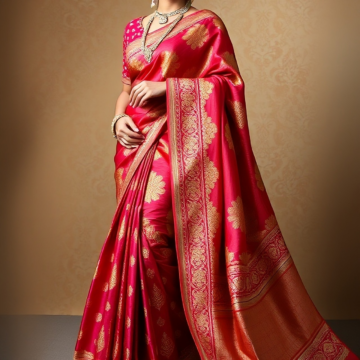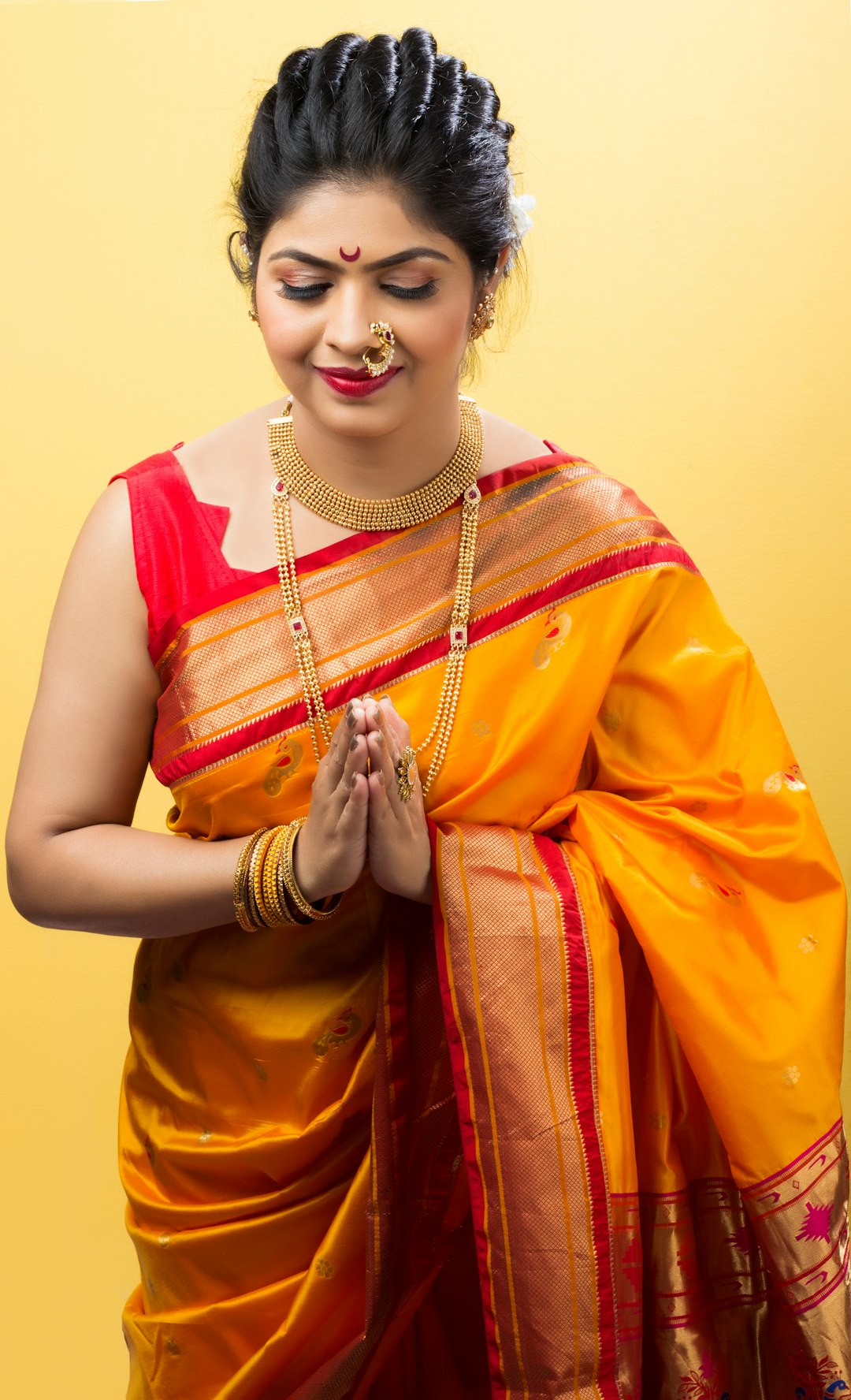
As the first cool evenings settle over Varanasi and the sound of dhols begins to drift through the lanes near the ghats, our weavers know exactly what it means: Dussehra is near, and the loom room gets busy. For generations, the days leading up to Vijayadashami have meant one thing in a Banarasi household — pulling out (or planning to buy) a saree with enough grace to carry you through nine nights of Navratri celebrations and into the triumphant close of Dussehra itself, when Lord Rama’s victory over Ravana is celebrated with fire, feasting, and family.
If you’re shopping for a Banarasi silk saree for Dussehra this year, this guide walks you through the fabric choices, the occasion-by-occasion styling, and the care that keeps a handwoven saree beautiful for decades — not just one festive season. (Still picking your Navratri looks first? Our Navratri saree guide covers the nine days leading up to it.)
Why Dussehra Calls for a Handwoven Banarasi Silk Saree
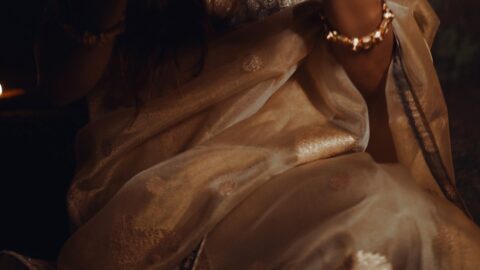
Dussehra is not a single event but a string of them — Ramlila performances in the evenings, visits to pandals, effigy-burning gatherings after sunset, and, for many families, the Vijayadashami puja that closes out Navratri with real ceremony. Each of these moments asks something slightly different of what you wear, which is exactly why Banarasi silk earns its place in the wardrobe: it moves easily from a daytime pandal visit to an evening Ravana Dahan without ever looking out of step. The zari catches the light of diyas and bonfires alike, and the drape holds up through a long evening of standing, greeting relatives, and photographs.
Understanding the Fabric: Katan Silk, Organza, and Soft Silk
Not every Banarasi silk is built the same, and knowing the difference makes shopping far easier.
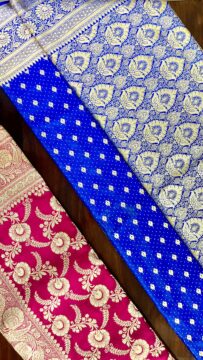
Katan silk is the fabric most people picture when they hear “Banarasi saree.” Woven from pure twisted-thread silk on traditional handlooms, it has real body and a rich, slightly stiff drape that holds its pallu beautifully — ideal for the Vijayadashami puja or any moment where you want a saree that photographs and drapes with quiet authority. Our Katan Silk collection is where our weavers put their most intricate booti and jaal patterns to work.
Organza and Chiffon Banarasi weaves, by contrast, are lighter and more fluid — better suited to the early-October heat that often lingers through Navratri and Dussehra. They drape closer to the body, breathe better through a long day of pandal-hopping, and still carry the same handwoven zari borders. If your Dussehra plans involve daytime events or you simply prefer a saree with more movement, our Chiffon and Kora Organza pieces are worth a look.
Soft silk sits comfortably between the two — lighter than Katan but with more structure than chiffon, and considerably easier to manage for anyone new to draping a traditional silk saree. Our Soft Silk collection is a favourite for younger buyers and first-time saree wearers who still want the authentic Banarasi look without the learning curve.
Matching the Saree to the Moment
A little planning goes a long way when Dussehra involves more than one event in a single week.
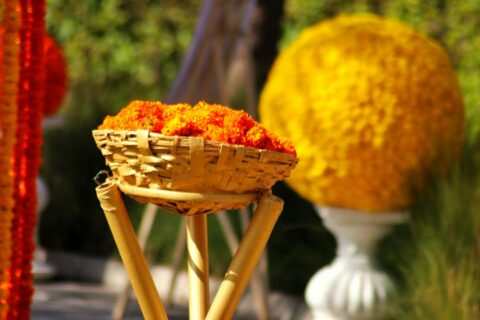
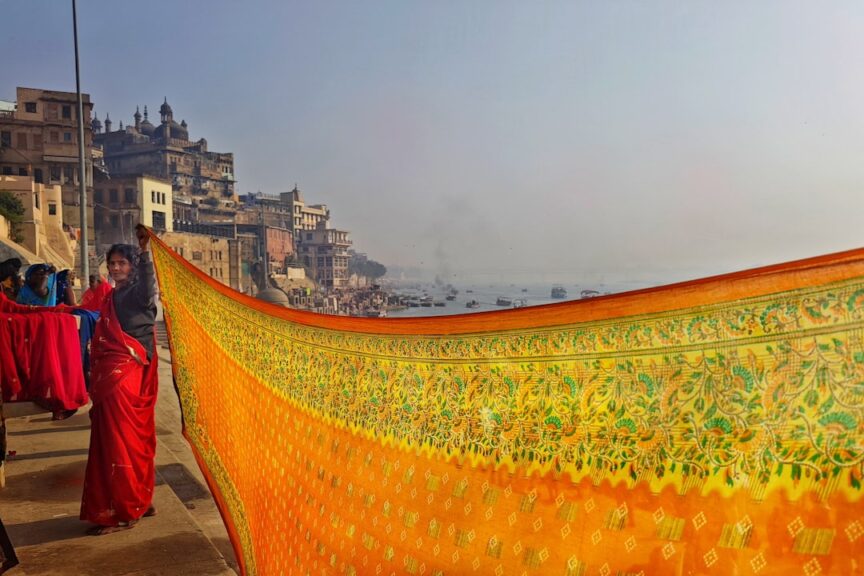
For daytime Ramlila and pandal visits, reach for organza or chiffon in warm marigold, rust, or mustard tones — colours that echo the festival’s own palette of marigolds and fire, and fabrics that won’t wilt in the afternoon sun. For the Vijayadashami puja and evening Ravana Dahan, a Katan silk saree in deep red, maroon, or gold earns its keep; the heavier drape and richer zari feel ceremonial once the lamps are lit. If Dussehra doubles as a family gathering or reunion dinner in your household, a soft silk saree in a jewel tone — emerald, teal, or wine — offers festive richness without the weight of a full Katan drape for an evening of sitting, eating, and catching up.
Styling Tips for Dussehra
A few small choices make a big difference in how a Banarasi saree wears through a long festival day:
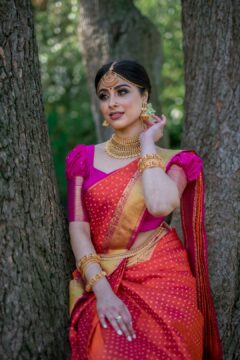
- Blouse: Let the saree’s zari border do the talking by keeping the blouse relatively simple — a contrast silk blouse in a solid shade, or one with subtle gota or mirror work, balances a heavily worked Katan pallu without competing with it.
- Jewellery: Temple jewellery or antique gold with a touch of kundan complements the traditional weave far better than modern minimalist pieces. A statement maang tikka or jhumkas are enough.
- Draping: The Nivi style, with the pallu pleated and draped over the left shoulder, remains the most flattering way to show off a Banarasi border, especially the intricate meenakari or jangla work along the pallu’s edge.
- Footwear and finishing touches: Juttis or embellished heels in gold or the saree’s accent colour, a small potli or clutch, and a bindi in a shade that echoes the border tie a festive look together.
Caring for Your Banarasi Silk Saree
A handwoven Banarasi silk saree is an investment piece, and a little care keeps it looking as fresh for next year’s Dussehra as it does today.
- Dry cleaning only: Always dry clean genuine Katan or organza silk rather than washing at home — water and detergent can dull the zari and distort the weave.
- Storage: Fold along the original creases and wrap in a soft muslin or cotton cloth rather than plastic, which traps moisture and can yellow the zari over time. Refold every few months to avoid permanent crease lines.
- Zari care: Keep silver and gold zari away from direct perfume spray and humid storage, both of which cause tarnishing. A silica gel sachet tucked into the storage cloth helps in humid climates.
- Ironing: Iron on the reverse side, on a low-to-medium silk setting, and never directly over zari thread — a thin cotton cloth between the iron and the saree protects the metallic work.
Frequently Asked Questions
Which Banarasi fabric is best for Dussehra day events?
Organza or Chiffon — both are lightweight, breathe well in warm weather, and still carry authentic handwoven zari borders.
Is Katan silk too heavy for October weather?
Not for evening events. Katan silk’s weight is exactly what gives it the ceremonial drape suited to the Vijayadashami puja and Ravana Dahan after sunset, when temperatures have cooled.
How do I know if a Banarasi saree is genuinely handwoven?
Check the reverse side of the fabric: a handwoven saree shows small floating threads (the extra weft) where the motif changes, while a power-loom or printed imitation will look uniformly clean on both sides.
Bringing Home Your Dussehra Saree
Every saree at Kashi Sarees is handwoven by artisan families in Varanasi, many of whom have carried these techniques through three or more generations. Whether you choose the ceremonial richness of Katan Silk, the easy movement of Chiffon, or the beginner-friendly comfort of Soft Silk, you’re bringing home a piece of Varanasi’s weaving heritage — not just an outfit for one festive week. Browse the full collection at our shop and find the saree that will carry you from this Dussehra’s first pandal visit to next year’s Vijayadashami puja and well beyond.